
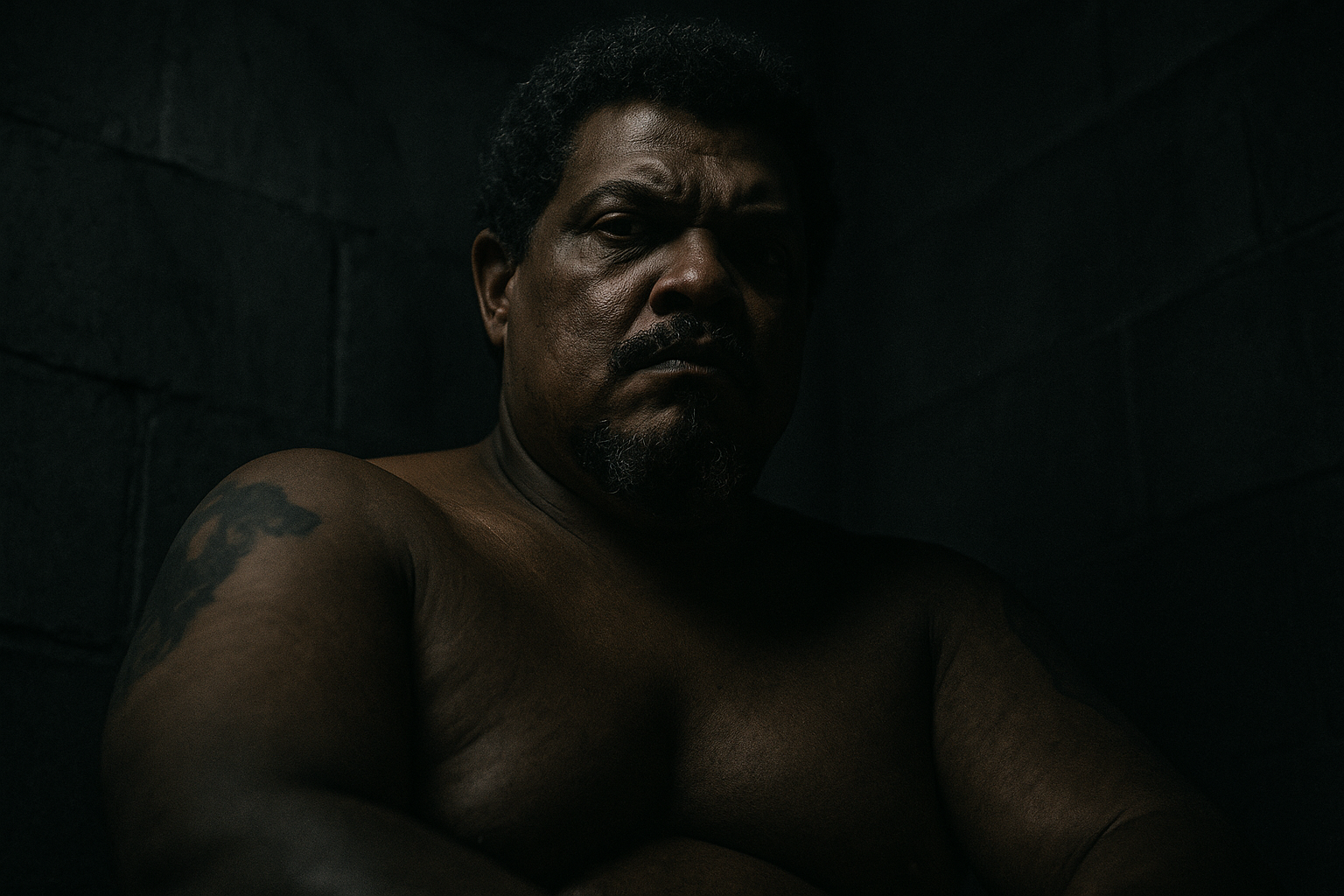
Anonymity has become its own kind of statement in independent HipHop. While the mainstream algorithm rewards faces and feeds, a quieter current runs underneath — artists who let the music carry the coordinates, who trust that the work will locate its audience without a map handed over upfront. BiNG operates in that current, and the pressure their catalogue exerts is entirely self-generated.
Geography withheld, origin undisclosed, BiNG nonetheless speaks a dialect that any student of the genre will recognise immediately: trunk-rattling low-end, snares that land with the timing of someone who has studied the pocket deeply, and a delivery that sits just behind the beat long enough to feel deliberate. There is nothing accidental in the construction. The sonic vocabulary draws from trap's architectural tradition — the cavernous hi-hat rolls, the bass that vibrates before you hear it — but the execution suggests an artist who has internalised those conventions rather than merely borrowed them.
Across five tracks on KickMusicStarter, BiNG maps a specific emotional terrain. Snap Wit Me carries the loose, percussive energy of a cypher that has found its groove, the kind of record that lives in the space between showing off and inviting others in. Trap Anthem is exactly what its title promises — declarative, stripped-back, built for a room rather than headphones. What You Sippin On eases into a more languid register, the production breathing wider while the vocal delivery stays measured. Whip Game leans into the aspirational imagery the genre has always used as shorthand for mobility and self-determination. And Who Want War closes the current catalogue on harder ground — a track whose intent is unmistakable from the first bar, all compressed aggression and locked tempo.
In 2026, HipHop's independent tier is fragmenting productively. The centre has not held — it has multiplied, with regional sounds asserting themselves through Bandcamp pages, SoundCloud drops, and platform ecosystems like KickMusicStarter that give artists a direct line to listeners without a label's mediation. The genre's energy right now is dispersed, localised, and harder to pin to a single trend. BiNG fits that dispersal: not chasing a wave but generating one from within a self-determined orbit.
There is something in the undisclosed-location framing that resonates with a particular mood in 2026 — a collective wariness about overexposure, about handing too much biographical data to an audience before the music has done its introductory work. BiNG's relative opacity is not evasion; it is sequence. The music first.
Where BiNG goes from here depends on whether the catalogue expands with the same internal logic it has established so far. The foundation is solid: a coherent aesthetic, a clear sense of register across different tempos and moods, and the kind of controlled energy that tends to compound rather than dissipate as an artist finds their stride.
