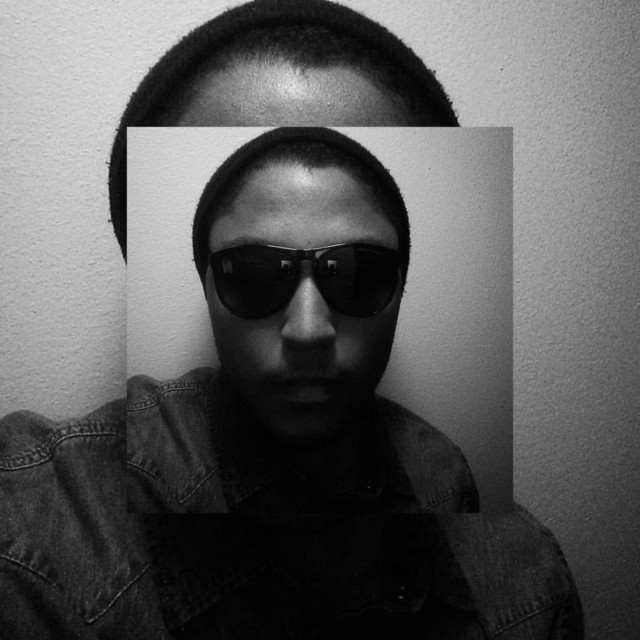
Independent pop in 2026 is caught between two poles: the clinical, algorithm-aware production of artists who know exactly what streaming dashboards reward, and the messier, more personal work of those who treat the format as a site of genuine inquiry. The tension between those two impulses is exactly where Tyran Lee Ingram has chosen to plant a flag.
Working from an undisclosed location — a detail that feels less like mystique and more like a deliberate removal from scene politics — Ingram builds a sonic vocabulary rooted in melodic directness, layered self-reflection, and a willingness to let structure serve feeling rather than the other way around. The project carries the hallmarks of someone who has listened widely and absorbed quietly: hooks that arrive without announcement, arrangements that breathe rather than press.
The catalogue already maps a particular emotional geography. I Learned, I Studied, and Gave Some Yellow reads like a thesis statement — the title alone signals an artist who wants credit for process, not just outcome, and the track carries that weight. The Yellow Hollywood Awards pushes the same chromatic symbolism into something more theatrical, a meditation on recognition and its costs. 4,000,000 operates at a different register, its scale implied rather than stated, while Other Side reaches for something quieter and more interior. The Thank the Lord House Music Remix pulls the project sideways into movement music, demonstrating range without losing coherence — a harder trick than it sounds.
Situating Ingram on the KMS roster in 2026 reveals something about where independent pop is actually moving. Peers like Garth Adam and Rajon Scott represent different vectors of the same restlessness — the search for a pop sensibility that doesn't feel borrowed or prefabricated. The genre is shedding its defensiveness, no longer positioning itself against mainstream production values but instead finding confidence in specificity. The question is no longer whether independent pop can compete; it's whether it wants to, on those terms.
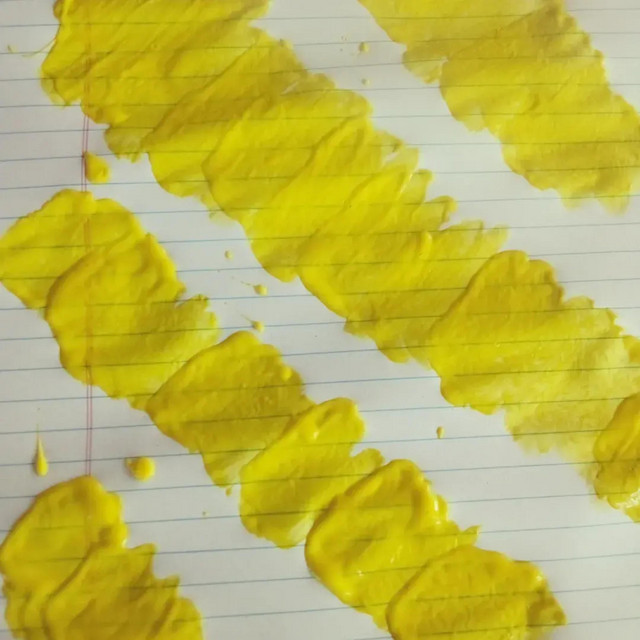
There is a particular mood these tracks speak to — the experience of having done the work, having accumulated the knowledge, and still finding that the world's accounting systems are slow and unreliable. The yellow imagery that recurs across Ingram's titles suggests something withheld or deferred: the warmth of recognition that has not quite arrived. It is pop about waiting, but not passively.
What trajectory looks like for Tyran Lee Ingram is an open question, which is part of what makes the project worth watching. The groundwork laid across these five tracks suggests an artist building toward something with patience and intention — not chasing a moment, but constructing the conditions for one.