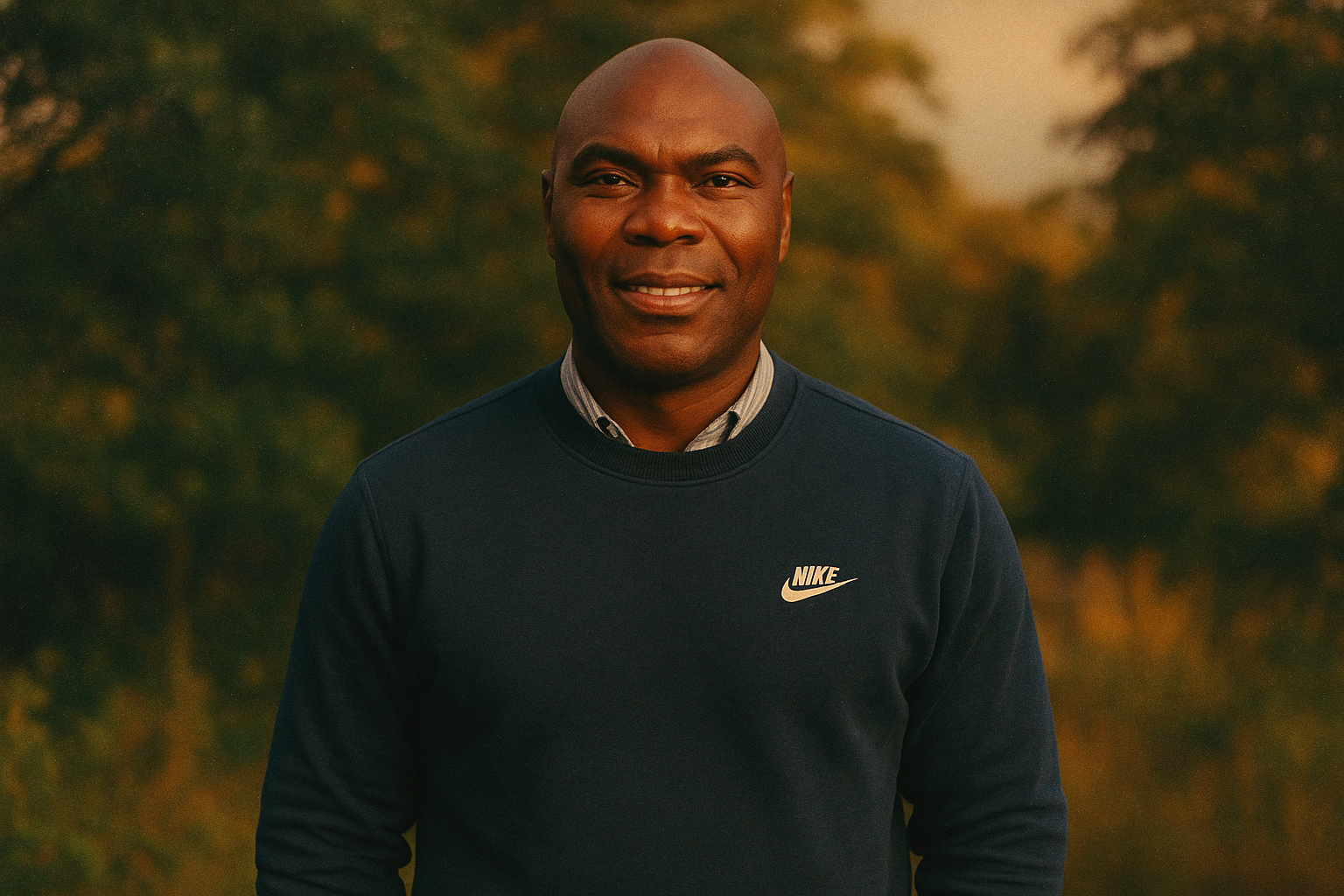
Independent reggae in 2026 is caught between two gravitational pulls: the heritage devotion of roots purists and the genre-fluid restlessness of a younger generation that grew up hearing riddims spliced into everything from Afrobeats to lo-fi. Most artists get swallowed by one force or the other. The ones worth watching find a third path — music that holds its center while the world around it shifts.
Anderson Loa operates from an undisclosed location, and that deliberate opacity feels less like mystique-building and more like a statement about where the music actually lives. The sonic vocabulary here is grounded in classic reggae fundamentals — the off-beat skank, the low end that moves before you consciously register it, the sense that every song is breathing at a pace the listener has to slow down to meet. What distinguishes Loa is restraint. There is no overcrowding of the arrangement, no rush to prove range. Each element earns its place.
The catalog on KickMusicStarter maps a coherent emotional terrain. Relax does exactly what the title suggests but earns it rather than demanding it, letting the groove settle into the body gradually. War Is a Calamity sits in the tradition of conscious reggae without sounding like an obligation — its weight comes from tone and pacing as much as lyrical content. Wake Up Africa carries the kind of Pan-African address that threads from Burning Spear through to contemporary roots artists, delivered here with a directness that respects the lineage without leaning on nostalgia. Bilan Fiasco suggests a more internal reckoning, while Gone Without Notice and Happy with You open the emotional register outward — loss, presence, the textures of ordinary experience rendered in minor chords and warm reverb.
The wider reggae landscape in 2026 is genuinely plural. The digital infrastructure that platforms like KickMusicStarter have built means that artists no longer need geographic proximity to a scene to participate in one — the conversation is distributed, and voices from outside the traditional reggae corridors of Jamaica, the UK, and West Africa are audible in ways they simply were not a decade ago. Anderson Loa fits inside that distributed moment: neither trying to replicate a geography nor to reject its musical inheritance.
There is a cultural logic to why slow, root-anchored music finds listeners right now. In a media environment that rewards acceleration and fragmentation, music that insists on its own tempo functions almost as counter-programming. Loa's catalog does not agitate for attention. It waits, and that patience resonates with an audience that has grown tired of being rushed.
Where Anderson Loa goes from here depends on how far that restraint can stretch — whether the sonic discipline that defines these early recordings becomes a foundation for something larger or remains a carefully cultivated intimacy. Either way, the groundwork is laid with care.